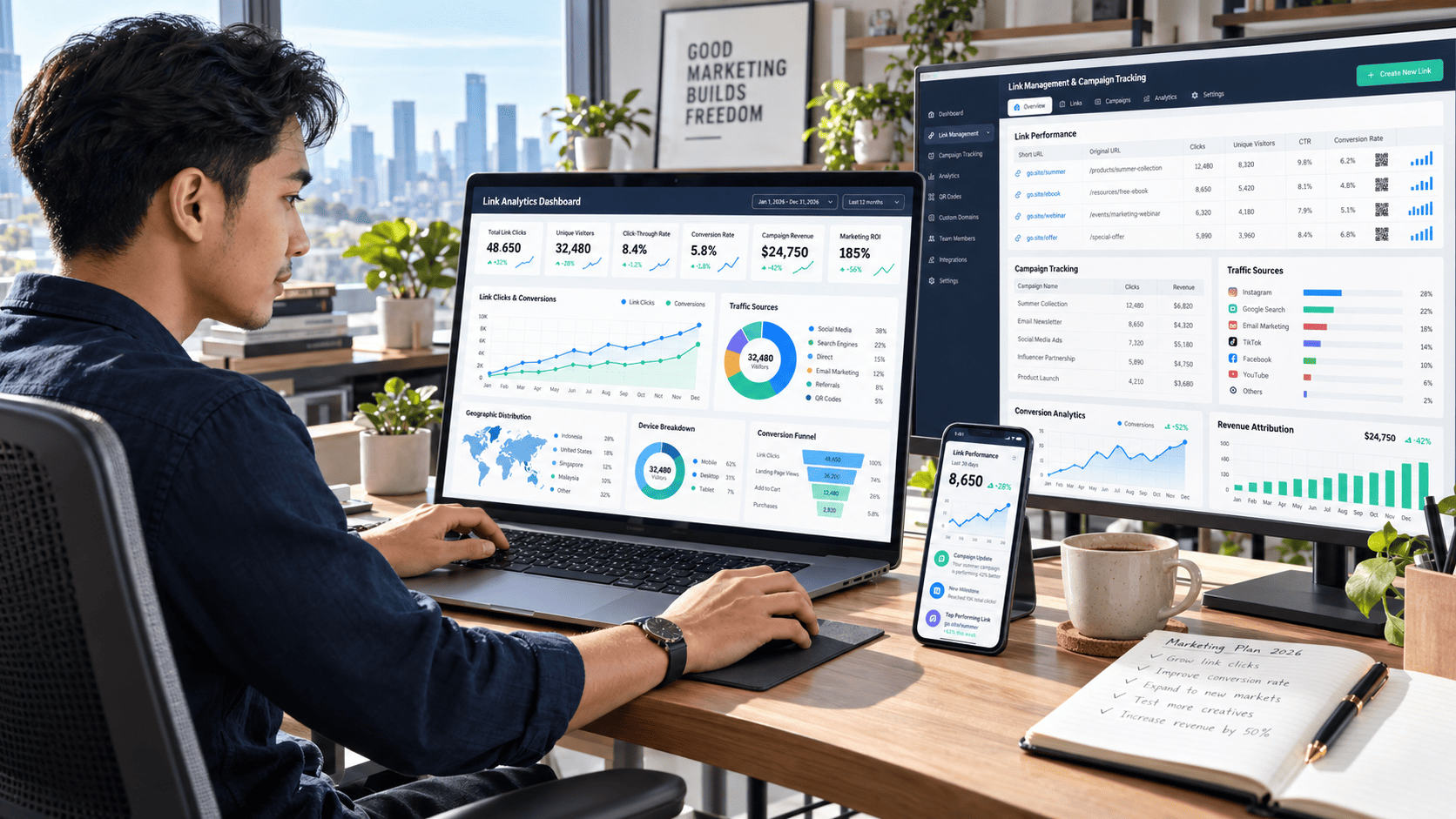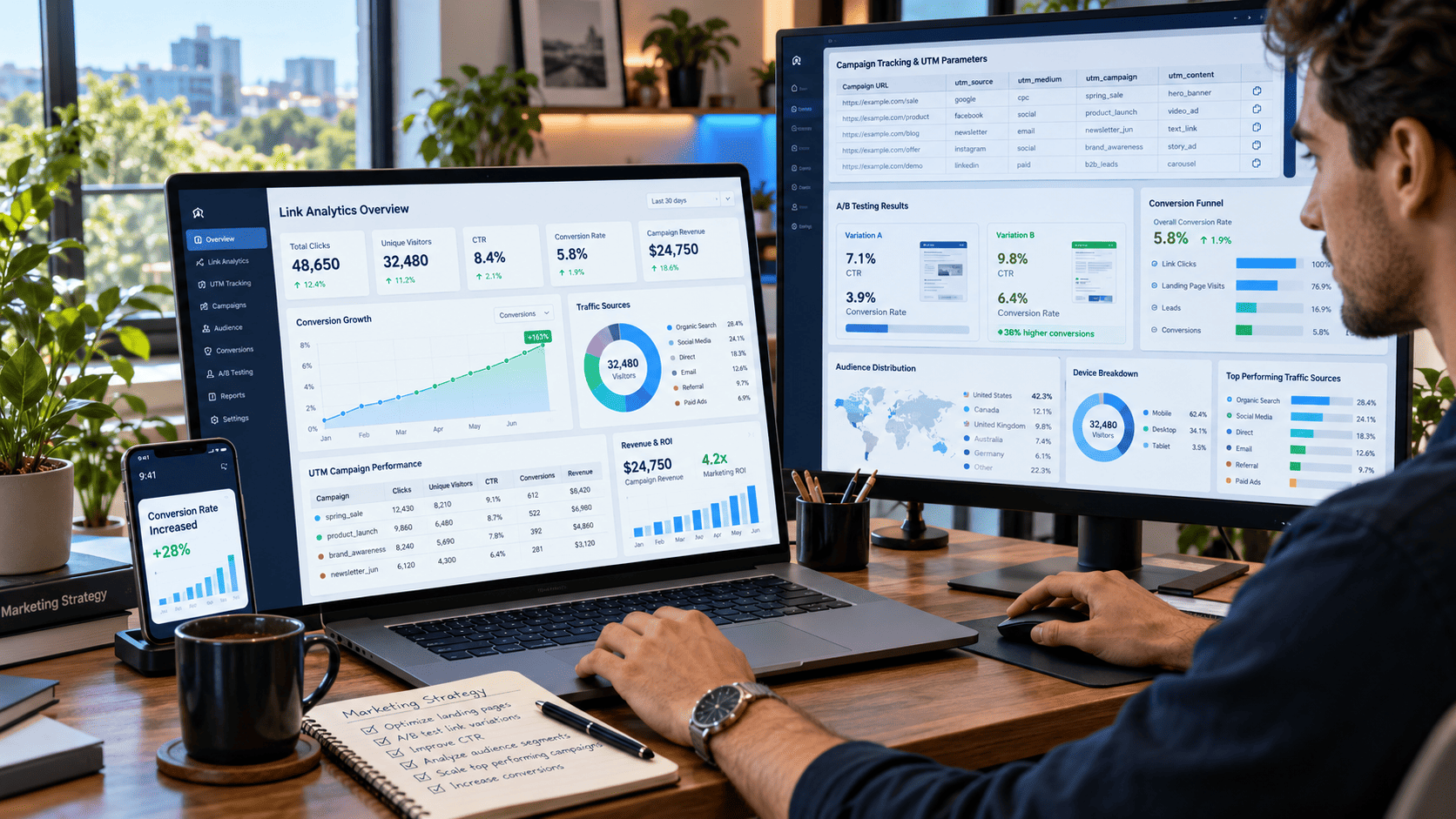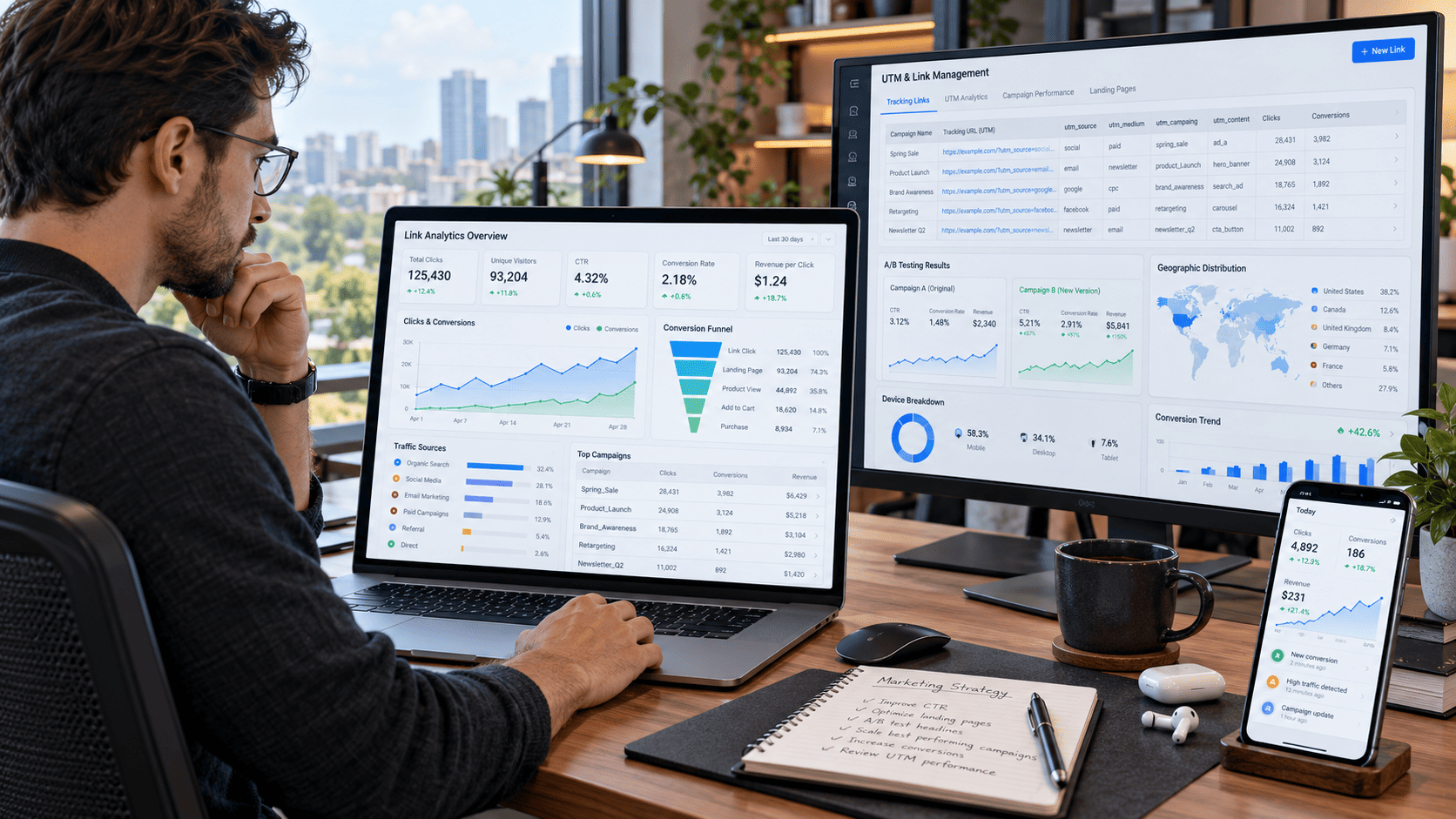

Link management is no longer just about shortening URLs. In today's digital world, every click tells a story. Whether you're a content creator, affiliate marketer, business owner, or social media manager, understanding where your visitors come from and how they interact with your content can make the difference between an average campaign and one that consistently delivers results.
Imagine sharing the same blog post across Facebook, Instagram, LinkedIn, email newsletters, and YouTube. Thousands of people click your links, but without proper tracking, you have no idea which platform is driving the most valuable traffic. That's where effective link management becomes a game changer.
If you're looking to improve marketing performance, maximize conversions, and make smarter decisions based on real data, mastering link management should be one of your top priorities.
Why Link Management Matters More Than Ever
Every online marketing campaign depends on one simple action: someone clicking a link.
However, successful marketers know that a click alone isn't enough. They need to answer important questions such as:
- Which marketing channel generates the highest-quality traffic?
- Which campaign delivers the best return on investment?
- Which audience converts most frequently?
- What devices are visitors using?
- Which content drives the most engagement?
Without organized link management, these questions become difficult—or impossible—to answer accurately.
Modern link management combines URL organization, click tracking, campaign attribution, analytics, and optimization into one streamlined workflow.
What Is Link Management?
Link management is the process of creating, organizing, tracking, analyzing, and optimizing URLs used in digital marketing campaigns.
Instead of sharing long, messy URLs, marketers use shortened and trackable links that provide valuable insights such as:
- Total clicks
- Unique visitors
- Geographic locations
- Traffic sources
- Device types
- Browser information
- Referral websites
- Conversion performance
- Campaign engagement
These insights help businesses improve marketing strategies based on actual user behavior instead of assumptions.
The Biggest Benefits of Effective Link Management
Better Campaign Tracking
Every campaign should have its own unique tracking link.
For example, promoting the same product through:
- X (Twitter)
- Email newsletters
Using separate tracking links lets you identify which platform performs best rather than lumping all traffic together.
Higher Conversion Rates
Tracking links reveal where visitors drop off during their journey.
For example:
- Many clicks but few purchases may indicate a weak landing page.
- High email clicks but low engagement could suggest poor messaging.
- Strong mobile traffic but low conversions may point to mobile usability issues.
Small improvements based on these insights can significantly boost conversions over time.
Smarter Marketing Decisions
Instead of guessing which campaigns work, analytics provide clear evidence.
When marketers understand:
- audience behavior,
- click patterns,
- peak traffic hours,
- and referral performance,
they can invest more confidently in the strategies that consistently generate results.
Essential Features Every Link Management Platform Should Include
Not every tool offers the same capabilities. Choosing the right platform can greatly impact your marketing efficiency.
Link Shortening
Short links look cleaner, are easier to remember, and are more likely to be shared across social media, emails, and messaging apps.
Real-Time Analytics
Instant reporting helps you monitor campaigns while they're running instead of waiting until they're finished.
Useful metrics include:
- Live clicks
- Unique visitors
- Geographic distribution
- Devices
- Operating systems
- Browsers
- Referrers
UTM Campaign Tracking
UTM parameters allow marketers to identify exactly where visitors come from.
Common tracking values include:
- Source
- Medium
- Campaign
- Content
- Term
Proper UTM management prevents analytics from becoming disorganized.
Custom Branded Links
Using branded domains increases trust and improves click-through rates.
Instead of random shortened URLs, branded links reinforce your company's identity and make links more recognizable.
QR Code Generation
Many campaigns now combine online and offline marketing.
QR codes connected to trackable links make it easy to measure traffic from:
- Printed brochures
- Business cards
- Product packaging
- Event banners
- Restaurant menus
Proven Strategies to Optimize Link Performance
Organize Campaigns Consistently
Develop a consistent naming structure for every campaign.
For example:
- Spring Sale Email
- Black Friday Instagram
- YouTube Product Launch
- Webinar Registration
Consistent naming makes reports easier to analyze later.
Track Every Marketing Channel Separately
Avoid using one link everywhere.
Instead, create individual links for:
- TikTok
- Blog articles
- Paid advertisements
This approach clearly shows which channels deserve more investment.
Monitor Performance Regularly
Don't create links and forget about them.
Successful marketers review campaign analytics weekly or even daily during important launches.
Watch for:
- Sudden traffic spikes
- Declining click-through rates
- Geographic trends
- Device preferences
- Seasonal changes
Continuous monitoring helps identify opportunities before competitors do.
A/B Test Different Links
Even small differences can affect click performance.
Experiment with:
- Different call-to-action buttons
- Landing pages
- Link placements
- Email subject lines
- Social media captions
Tracking results allows continuous optimization.
Common Link Management Mistakes to Avoid
Many marketers lose valuable insights because of avoidable errors.
Using One Link Everywhere
A single URL makes it impossible to identify the best-performing traffic source.
Always separate campaigns whenever possible.
Ignoring Analytics
Collecting data without reviewing it offers little value.
Set aside time each week to analyze performance and identify actionable insights.
Forgetting Mobile Users
More than half of global web traffic comes from mobile devices.
Always ensure your landing pages load quickly and display correctly across smartphones and tablets.
Broken Links
Nothing damages user experience faster than clicking a broken link.
Regularly audit your links to ensure they remain active and redirect correctly.
Advanced Link Management Tips for Growing Businesses
As campaigns scale, organization becomes even more important.
Consider implementing these advanced practices:
Create a Link Library
Store frequently used links in organized folders based on:
- Products
- Campaigns
- Departments
- Clients
- Marketing channels
This saves time and reduces duplication.
Use Link Expiration
Limited-time promotions should expire automatically.
This prevents visitors from accessing outdated offers and improves overall customer experience.
Set Up Redirect Rules
When products move or pages change, redirects preserve existing traffic and maintain campaign performance.
Never allow valuable marketing links to end in 404 errors.
Analyze Audience Behavior
Clicks alone don't tell the whole story.
Look deeper into:
- Bounce rates
- Session duration
- Conversion paths
- Returning visitors
- Engagement trends
Combining click data with website analytics creates a more complete understanding of customer behavior.
Measuring Success Beyond Click Counts
High click numbers don't always translate into business growth.
Instead, evaluate metrics such as:
- Conversion Rate
- Cost Per Acquisition (CPA)
- Return on Investment (ROI)
- Customer Lifetime Value (CLV)
- Engagement Rate
- Revenue Per Visitor
These metrics provide a clearer picture of campaign effectiveness than click volume alone.
Building a Long-Term Link Management Strategy
Successful organizations treat link management as an ongoing process rather than a one-time task.
A sustainable strategy includes:
- Clear campaign naming conventions
- Consistent UTM structures
- Regular analytics reviews
- Landing page optimization
- Periodic link audits
- Conversion tracking
- Performance reporting
- Continuous testing
Over time, these habits create a reliable data foundation that supports smarter marketing decisions and stronger business growth.
Future Trends in Link Management and Analytics
Technology continues to transform how marketers analyze campaign performance.
Emerging trends include:
- AI-powered campaign optimization
- Predictive click analytics
- Automated audience segmentation
- Privacy-first tracking solutions
- Cross-platform attribution
- Server-side analytics
- First-party data collection
- Real-time personalization
Businesses that embrace these innovations will be better equipped to adapt to changing consumer behavior and evolving privacy regulations.
Conclusion
Effective link management goes far beyond creating shorter URLs. It's about understanding your audience, measuring every interaction, and turning valuable data into smarter marketing decisions. By tracking every click, organizing campaigns effectively, monitoring analytics consistently, and optimizing based on real performance, you can improve campaign efficiency, increase conversions, and maximize your overall return on investment.
Start by implementing a structured link management strategy across all your marketing channels, review your analytics regularly, and continuously test new ideas. The more you learn from your data, the easier it becomes to create campaigns that deliver measurable, long-term success. If you found these strategies helpful, share this guide with your team or fellow creators and begin optimizing every click for better results today.