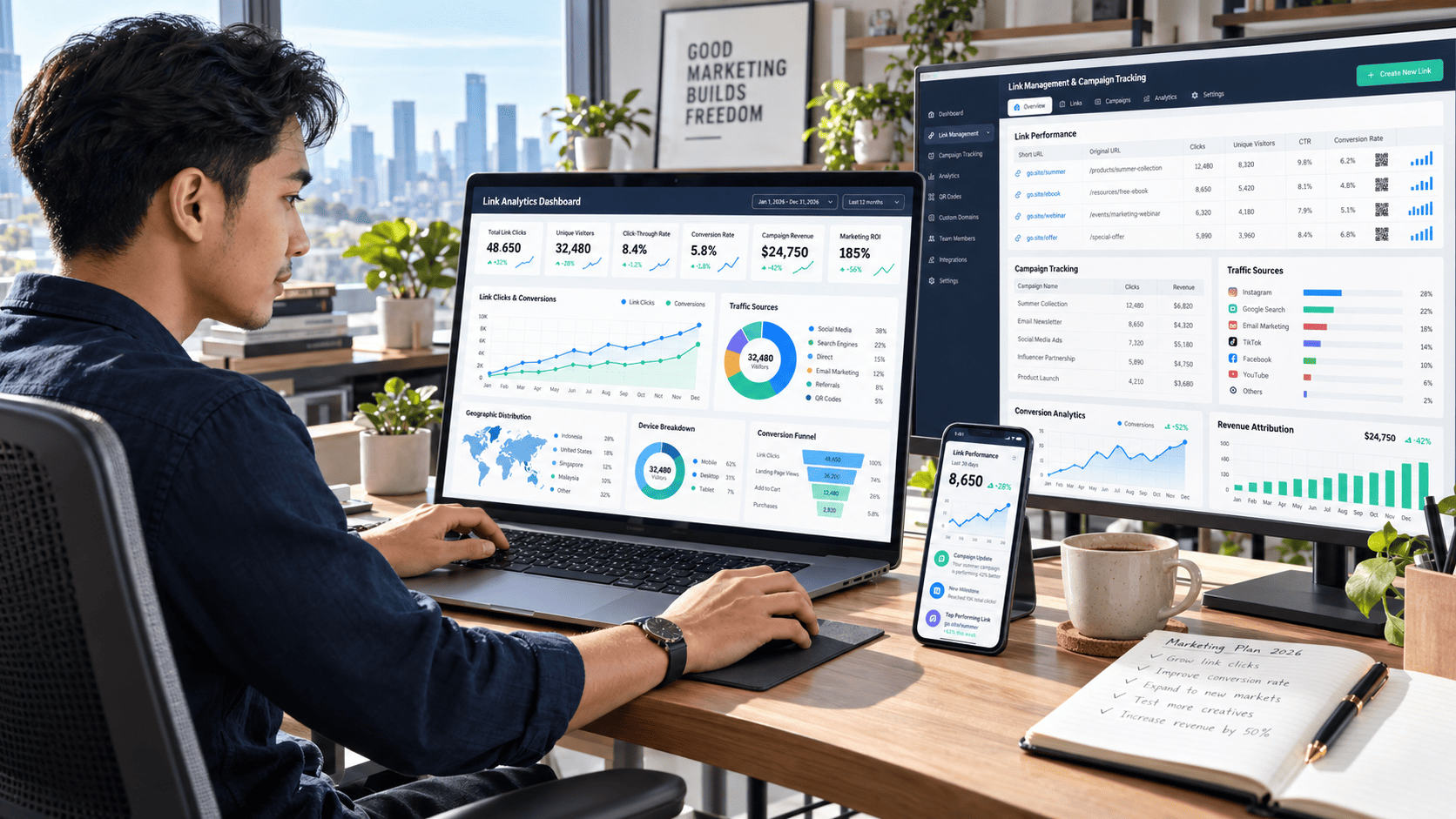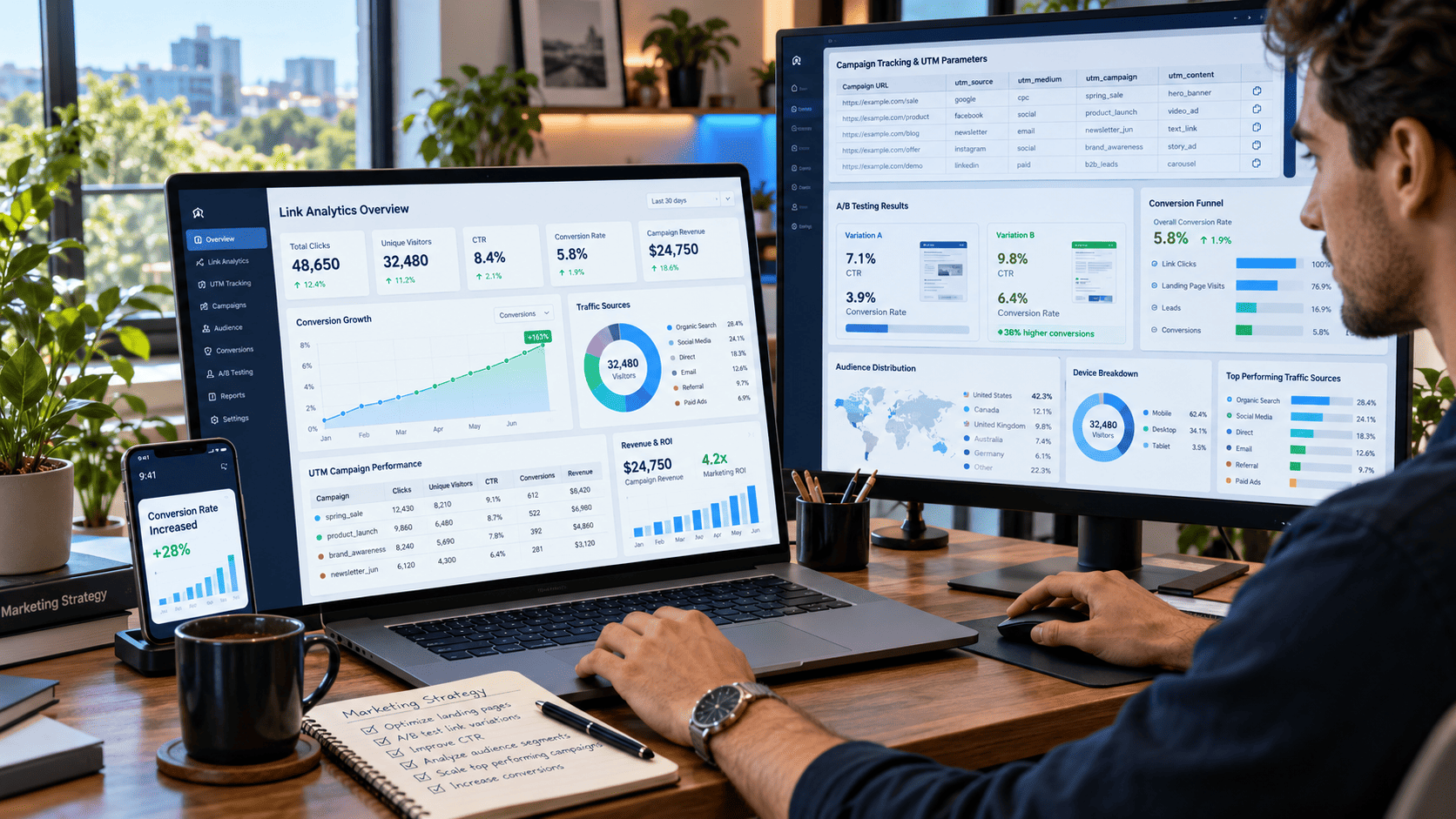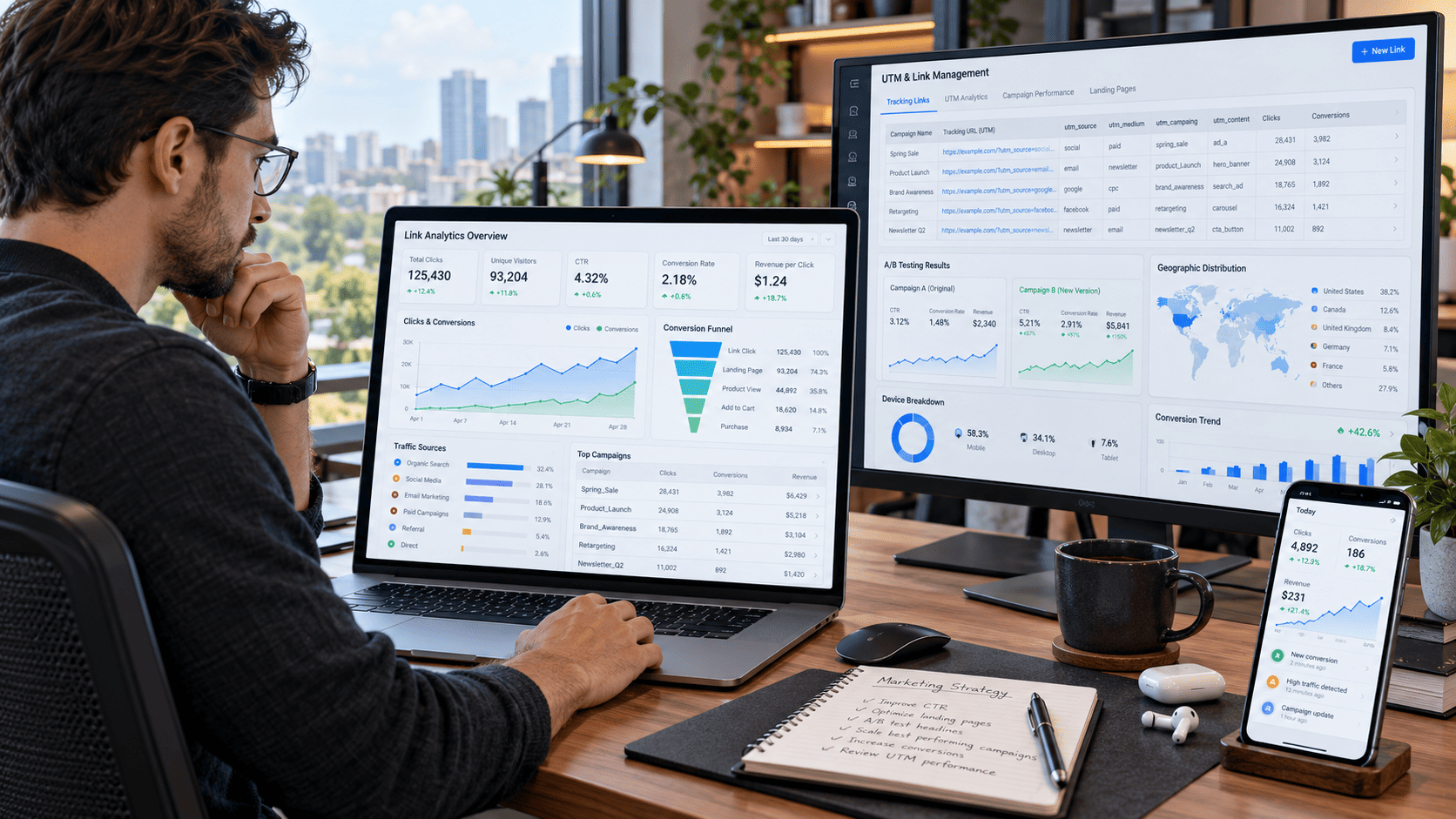

Every click tells a story. It shows where your audience comes from, what catches their attention, which platforms bring real traffic, and whether your content strategy is actually working. But many creators, bloggers, marketers, and online business owners still share links without knowing what happens after someone clicks. They post on social media, add links to bios, send campaigns, and promote content everywhere, yet they only guess which effort brings results.
This is where link management and analytics become powerful. They are not just tools for shortening URLs or making links look cleaner. When used properly, they help you understand your audience, improve your campaigns, increase clicks, and grow your content faster with smarter decisions. Instead of working blindly, you can see what performs well, fix what does not work, and focus your energy on strategies that bring real engagement.
What Is Link Management & Analytics?
Link management is the process of organizing, customizing, tracking, and optimizing the links you share online. It helps you control how your links look, where they lead, and how they perform across different platforms.
Analytics, on the other hand, gives you data about what happens after people interact with those links. You can see the number of clicks, traffic sources, devices used, locations, time of activity, and sometimes even user behavior after the click.
Together, link management and analytics help turn ordinary links into valuable marketing assets. A simple link in your Instagram bio, YouTube description, blog post, email newsletter, or Facebook campaign can become a source of insight that guides your next move.
For example, instead of sharing a long and messy URL, you can create a clean branded link that looks professional. Then, you can track how many people clicked it from TikTok, how many came from Facebook, and which platform brought the most engaged visitors.
Why Link Management Matters More Than Ever
The internet is crowded. People scroll fast, attention spans are short, and every piece of content competes for clicks. A good link strategy can make the difference between content that gets ignored and content that drives meaningful traffic.
When your links are clean, trustworthy, and easy to understand, people are more likely to click. A long URL filled with random characters can look suspicious. A short, branded, and relevant link feels safer and more professional.
Link management also helps you stay organized. If you manage multiple campaigns, social media accounts, blog posts, landing pages, or product pages, things can quickly become messy. Without proper link tracking, you may not know which link belongs to which campaign. This makes it harder to measure performance and improve results.
With a strong link management system, you can label links by campaign, platform, content type, or audience segment. This makes your marketing easier to control and your data easier to understand.
The Real Power of Link Analytics
Clicks are not just numbers. They are signals. Each click can show interest, curiosity, trust, or intent. Link analytics helps you read those signals clearly.
Imagine you are a content creator promoting the same article on Facebook, Instagram, X, and WhatsApp. Without analytics, you may only see total traffic in your website dashboard. But with link analytics, you can compare each platform more accurately.
Maybe Facebook brings the highest number of clicks, but WhatsApp brings visitors who stay longer. Maybe Instagram gets fewer clicks, but those clicks convert better. Maybe one post title performs better than another because it creates more curiosity.
This kind of information helps you stop guessing. You can create more of what works, improve weak campaigns, and avoid wasting time on channels that do not bring valuable results.
Key Benefits of Using Link Management & Analytics
1. You Can Boost Clicks with Cleaner Links
People are more careful before clicking links online. If a link looks strange, too long, or untrustworthy, they may ignore it. Clean links make your content look more professional and easier to share.
A customized link such as yourbrand.com/guide looks better than a long URL with tracking codes and random symbols. It also gives readers a clearer idea of what they will get after clicking.
Better presentation can lead to better click-through rates, especially on social media, email campaigns, and bio pages where first impressions matter.
2. You Can Understand Your Audience Better
Analytics helps you learn who your audience is and how they behave. You can see which platforms drive the most clicks, what time people are most active, and which content topics attract more attention.
For content creators, this is extremely useful. If your audience clicks more on tutorial content than general updates, you can create more tutorials. If your audience is more active at night, you can schedule posts during that time. If mobile users dominate your traffic, you can make sure your landing pages are fully mobile-friendly.
Small insights like these can lead to big improvements over time.
3. You Can Measure Campaign Performance Accurately
Many people promote content without knowing which campaign performs best. They may run several posts, ads, newsletters, or collaborations at the same time, but they do not track each link separately.
Link management solves this problem. You can create different links for different campaigns and compare the results clearly.
For example, you can create one link for a Facebook post, one for an email newsletter, and one for a TikTok bio. Even if all links lead to the same page, you can still measure which source performs better.
This makes your marketing decisions more accurate and practical.
4. You Can Improve Content Strategy Faster
Content growth is not only about posting more. It is about learning from what you already posted. Link analytics shows which headlines, topics, platforms, and formats generate the strongest response.
If a blog post about digital marketing gets more clicks than a post about general business tips, that tells you something. If a short video caption drives more traffic than a long caption, that also gives you a clue.
The faster you learn from your data, the faster you can improve your content strategy.
How Content Creators Can Use Link Analytics
Content creators often share links in many places: bio pages, video descriptions, pinned comments, story stickers, email lists, and social media captions. Without tracking, it becomes difficult to know which channel actually helps growth.
A smart creator can use different tracked links for each platform. For example, one link for Instagram bio, one for TikTok profile, one for YouTube description, and one for Facebook posts.
After a few days or weeks, the data will show which platform is sending the most visitors. More importantly, it can show which traffic is more valuable. A platform with fewer clicks may still be better if the visitors are more engaged.
This helps creators focus on quality, not just quantity.
How Businesses Can Use Link Management to Increase Results
For online businesses, link management can improve product promotions, landing pages, email marketing, and advertising campaigns.
A business can track which product links get the most clicks, which promotional offers attract attention, and which traffic source leads to more sales. This is especially useful for small businesses that need to use their marketing budget wisely.
Instead of spending money on campaigns without clear results, businesses can monitor performance and adjust quickly. If one campaign brings traffic but no sales, the landing page may need improvement. If another campaign brings fewer clicks but better conversions, it may deserve more focus.
Good link analytics can help businesses make smarter decisions without relying only on feelings.
Practical Tips to Get Better Results from Link Management
Use Short and Clear Links
A good link should be simple, readable, and relevant. Avoid links that look messy or confusing. The clearer the link, the easier it is for people to trust it.
Track Each Platform Separately
Do not use the same exact tracking link everywhere if you want clear data. Create separate links for each platform or campaign so you can compare performance accurately.
Check Your Analytics Regularly
Data is only useful when you review it. Set a simple routine to check your link performance weekly. Look at clicks, sources, devices, and top-performing campaigns.
Test Different Headlines and Calls-to-Action
Sometimes the link is not the problem. The text around the link matters too. Try different captions, button texts, headlines, or calls-to-action to see what encourages more clicks.
Optimize Landing Pages for Mobile
Many users click links from smartphones. If your landing page loads slowly or looks messy on mobile, people may leave quickly. Make sure the page is fast, clean, and easy to navigate.
Common Mistakes to Avoid
One common mistake is focusing only on total clicks. A high number of clicks looks good, but it does not always mean success. You also need to consider traffic quality, engagement, and conversion.
Another mistake is not naming or organizing links properly. If you create many links without clear labels, your dashboard can become confusing. Use simple names based on platform, campaign, or content type.
Some people also ignore old links. If a link points to outdated content or a broken page, it can damage user experience. Regularly check your active links to make sure they still work properly.
The Future of Link Management & Analytics
As online competition grows, link data will become even more important. Creators and businesses need to understand not only how many people click, but also why they click and what they do afterward.
Modern link management is moving beyond simple URL shortening. It is becoming part of a larger digital growth strategy. With better tracking, smarter reporting, and deeper audience insights, links can help guide content planning, advertising decisions, and customer experience.
The people who use this data wisely will have a major advantage. They will know what their audience wants, where attention comes from, and how to create content that performs better.
Conclusion: Smarter Links Create Smarter Growth
Link management and analytics are powerful because they turn simple links into useful data. They help you boost clicks, understand your audience, measure campaign performance, and grow content faster with better decisions.
Whether you are a content creator, blogger, marketer, student, freelancer, or business owner, managing your links properly can make your online strategy more effective. You do not need to guess which content works best. You can track it, learn from it, and improve step by step.
Start by organizing your most important links, tracking them separately, and reviewing the results regularly. The more you understand your clicks, the easier it becomes to create content that attracts attention, builds trust, and grows faster over time.