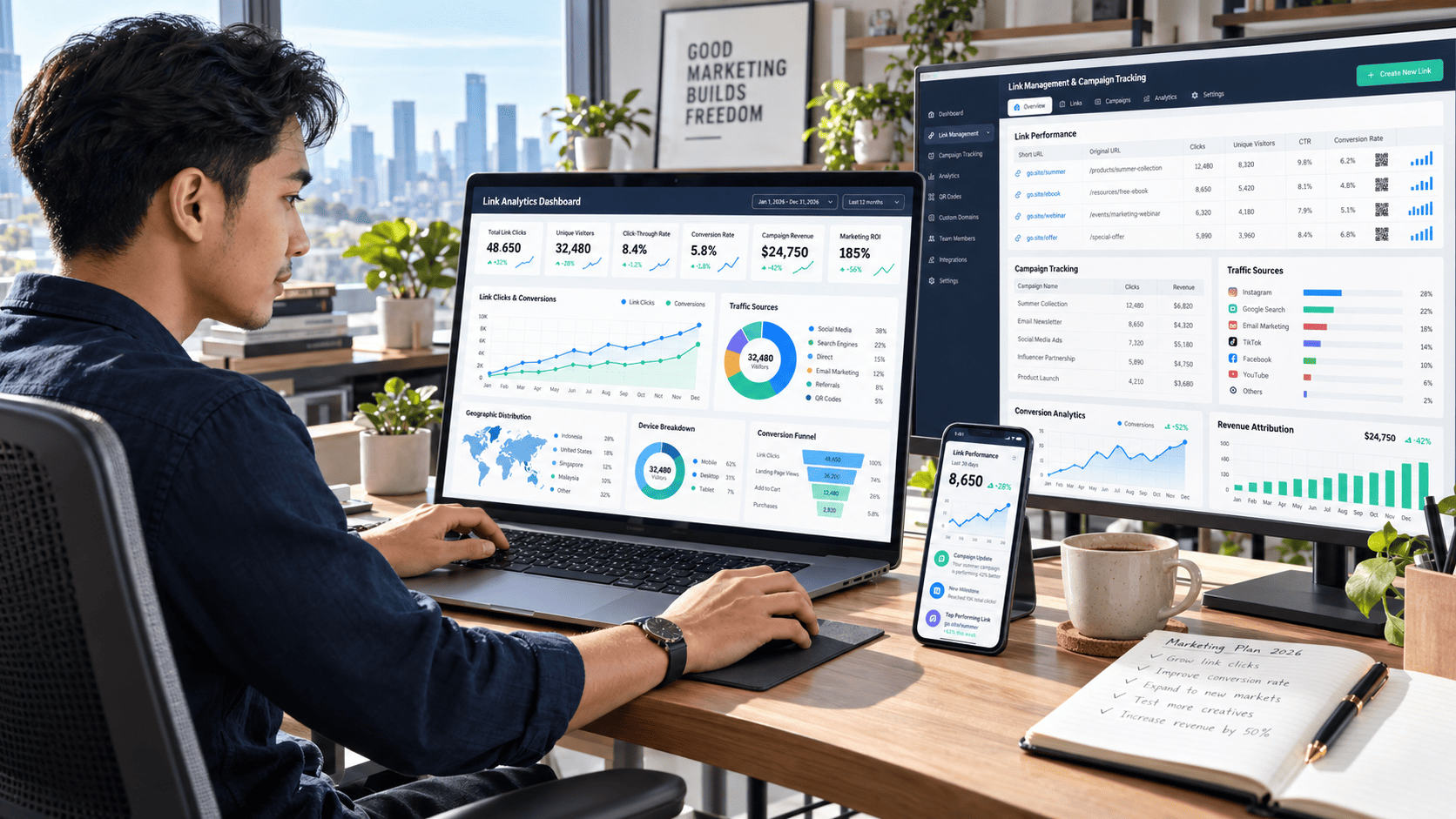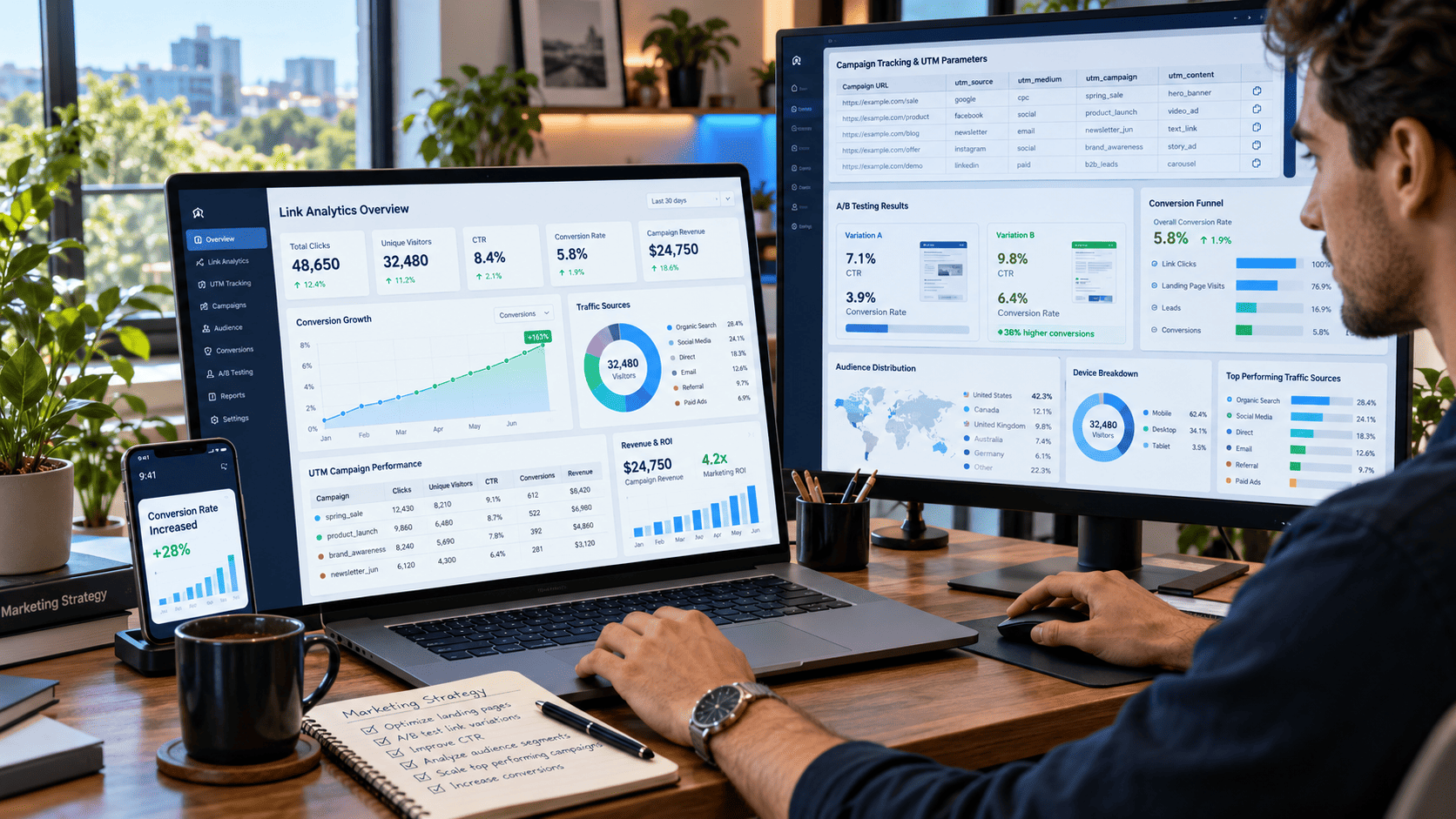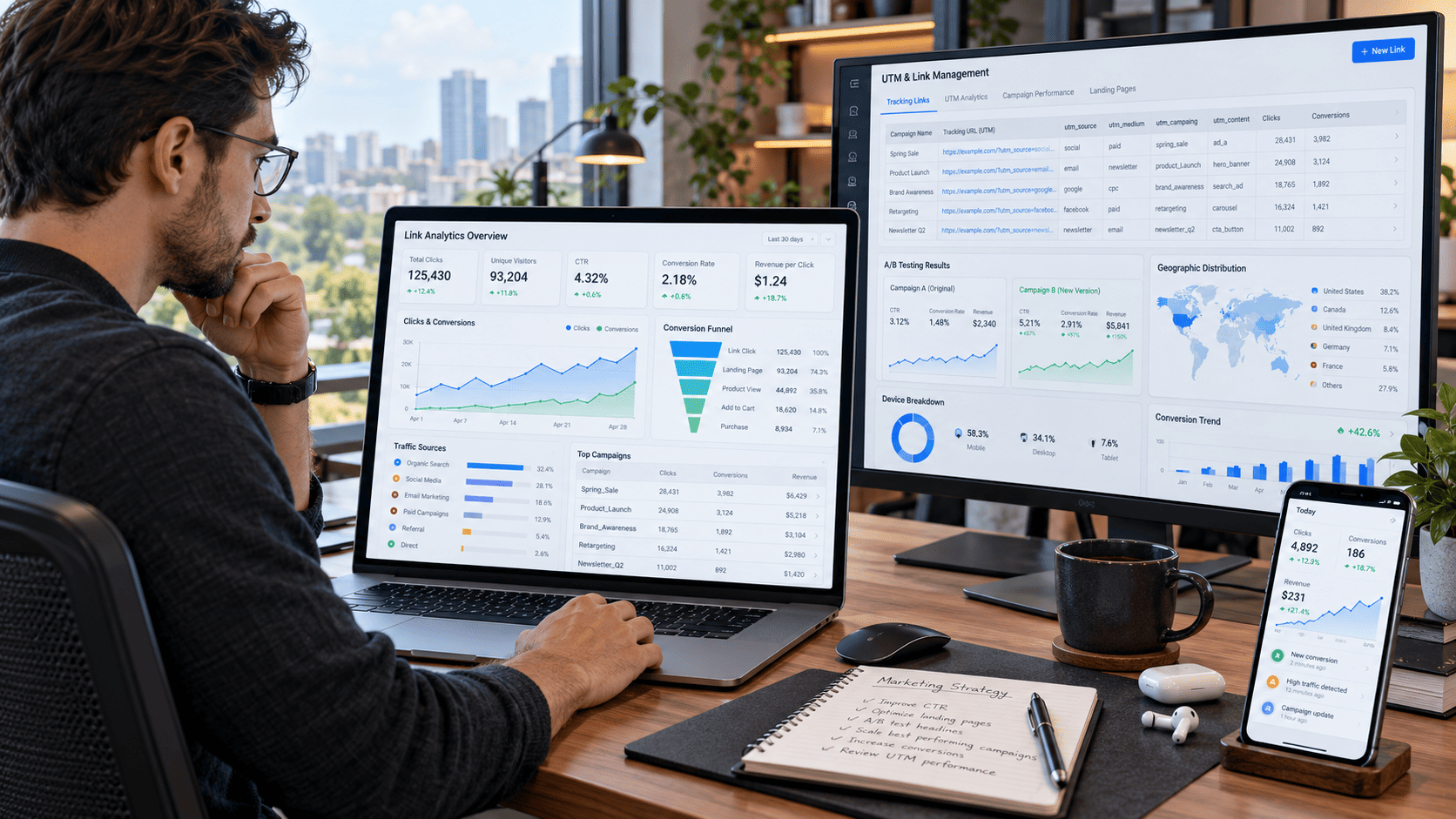

Every content creator, blogger, digital marketer, and online business owner wants the same thing: more people clicking, reading, watching, subscribing, and buying. But here’s the problem—many people share links everywhere without really knowing what happens after someone clicks.
A link may look simple, but behind that small URL is a powerful source of data. It can show where your audience comes from, which platform brings the best traffic, what content gets attention, and which campaign actually drives results. Without link management and analytics, you are basically guessing. With the right strategy, you can stop guessing and start making smarter decisions.
Link management & analytics is not just about shortening URLs. It is about organizing links, tracking performance, understanding audience behavior, and turning every click into useful insight. When used properly, it can help your content grow faster, improve your marketing strategy, and make your online presence look more professional.
What Is Link Management & Analytics?
Link management is the process of creating, organizing, customizing, tracking, and optimizing the links you share online. Instead of using long, messy URLs, you can create cleaner and more memorable links that are easier to share across social media, blogs, email campaigns, ads, and messaging platforms.
Analytics is the data behind those links. It tells you how many people clicked, where they came from, what device they used, when they clicked, and sometimes even which location generated the most engagement.
In simple terms, link management helps you control your links, while analytics helps you understand what happens after people click them.
For example, imagine you are promoting a new blog post on Facebook, TikTok, Instagram, WhatsApp, and email. If you use the same raw link everywhere, you may only see total traffic in your website analytics. But if you use tracked links for each platform, you can see which channel performs best. Maybe Facebook brings many clicks but low engagement, while email brings fewer clicks but better conversions. That kind of insight is extremely valuable.
Why Link Management Matters for Content Growth
Many people focus only on creating content, but content growth also depends on distribution. A great article, video, product page, or landing page will not perform well if the link strategy is messy.
Clean and well-managed links make your content easier to share, easier to remember, and easier to trust. People are more likely to click a short, branded, or clear link than a long URL full of random characters.
For example, a long link like:
website.com/article/category/2026/05?id=98273&utm=random
looks less attractive than a clean link like:
yourbrand.com/grow-clicks
A professional-looking link creates a better first impression. It feels safer, clearer, and more intentional. For content creators and businesses, this small detail can improve click-through rates and brand trust.
How Link Analytics Helps You Understand Audience Behavior
One of the biggest advantages of link analytics is that it reveals what your audience actually does—not what you assume they do.
Sometimes, content creators think a campaign is successful just because a post gets likes. But likes do not always mean clicks. A video may receive many comments, but only a small number of people may actually visit the link. On the other hand, a simple post with fewer likes may drive more serious visitors.
Link analytics helps answer important questions such as:
- Which platform sends the most clicks?
- What time does the audience click the most?
- Are visitors using mobile or desktop?
- Which campaign brings high-quality traffic?
- Which content topic attracts the strongest interest?
- Which link placement gets more attention?
These insights allow you to improve your next move. Instead of posting randomly, you can focus on what works.
The Secret: Every Link Should Have a Purpose
One common mistake is sharing links without a clear goal. A link should not just be placed anywhere. It should have a purpose.
Before sharing a link, ask yourself: what do I want people to do after clicking?
Maybe you want them to read an article, watch a video, subscribe to a newsletter, download a guide, buy a product, register for an event, or visit a landing page. When the goal is clear, it becomes easier to measure success.
A link for brand awareness may be judged by total clicks and reach. A link for sales should be judged by conversions. A link for content testing should be judged by engagement and behavior after the click.
This is where link management becomes powerful. It connects your content strategy with measurable results.
Practical Ways to Use Link Management & Analytics
Link management is useful for many types of online activity. Whether you are a blogger, affiliate marketer, social media creator, small business owner, or digital agency, you can use it to make your work more organized and measurable.
1. Track Different Traffic Sources
If you share the same content across multiple platforms, create a different tracking link for each one. This allows you to compare performance clearly.
For example:
- One link for Facebook
- One link for Instagram bio
- One link for TikTok
- One link for email
- One link for WhatsApp broadcast
- One link for paid ads
After a few days, you can check which source performs best. You may discover that one platform brings more clicks, while another brings better-quality visitors.
2. Use Custom Links for Better Branding
A custom link looks more professional and trustworthy. Instead of using a random shortened URL, use a branded or descriptive link when possible.
For example:
yourbrand.com/free-guide
is more appealing than:
short.ly/x7Ab92
A clear link gives people a better idea of what they are about to open. This can reduce hesitation and increase clicks.
3. Monitor Campaign Performance
If you run digital campaigns, link analytics can show whether your effort is working. You can track different promotions, headlines, content formats, or audience segments.
For example, if you are promoting the same product with two different captions, you can create two different links. The link with more clicks and better engagement gives you a clue about which message connects better with your audience.
This simple test can help you improve future campaigns.
4. Improve Content Strategy
Link analytics can also help you understand what type of content your audience prefers. If links about tutorials get more clicks than opinion posts, it may mean your audience wants practical guidance. If product comparison links perform well, your audience may be close to making buying decisions.
Over time, your link data becomes a map of audience interest. You can use it to plan better blog posts, videos, newsletters, social media content, and landing pages.
Link Management for Social Media Creators
For social media creators, link management is especially important because platforms often limit where you can place links. Instagram has bio links, TikTok has profile links, YouTube has descriptions, and Facebook allows links in posts, pages, and comments.
When you manage your links properly, you can understand which post, video, or profile placement sends the most traffic. This is useful because social media engagement can sometimes be misleading.
A post may look viral, but if no one clicks the link, it may not support your business goal. On the other hand, a smaller post with high click intent can be more valuable.
Creators can use link analytics to identify which content topics inspire action. For example, a short educational video may bring more link clicks than a funny post. That does not mean entertainment content is bad, but it shows which format drives people to take the next step.
Link Management for Businesses and Marketers
For businesses, every click can represent potential revenue. That is why tracking links is important in product promotions, email marketing, influencer campaigns, affiliate marketing, and paid advertising.
If a business works with multiple influencers, link management can show which influencer brings real traffic. If a company runs several ads, tracked links can help compare performance. If an email campaign has multiple buttons, analytics can show which call-to-action gets the most attention.
This helps businesses avoid wasting budget. Instead of relying only on surface-level metrics, they can make decisions based on real audience behavior.
Common Mistakes to Avoid
Even though link management is powerful, it can become messy if handled carelessly. Here are some mistakes to avoid:
Using Too Many Random Links
If links are created without proper names or organization, it becomes difficult to analyze them later. Use clear labels, campaign names, or categories so you can easily understand what each link is for.
Ignoring the Data
Tracking links is useless if you never check the analytics. Make it a habit to review performance regularly. Even a weekly check can reveal useful patterns.
Only Looking at Click Numbers
High clicks are good, but they are not the only thing that matters. You should also consider engagement, conversion, bounce rate, and traffic quality. A link with fewer clicks but better results may be more valuable than a link with many empty visits.
Using Misleading Links
Never trick users with links that lead to unrelated pages. It may increase clicks temporarily, but it damages trust. A good link strategy should be clear, honest, and useful.
Simple Link Analytics Metrics You Should Watch
You do not need to be a data expert to benefit from link analytics. Start with basic metrics that are easy to understand.
Total Clicks
This shows how many times your link was clicked. It helps measure interest and reach.
Unique Clicks
Unique clicks show how many individual users clicked your link. This is useful because one person may click the same link multiple times.
Traffic Source
This shows where your clicks came from, such as Facebook, Instagram, TikTok, email, or direct traffic.
Device Type
Knowing whether users click from mobile or desktop helps you optimize landing pages. If most traffic comes from mobile, your page must load fast and look clean on small screens.
Click Time
This shows when people are most active. You can use this information to schedule posts or campaigns at better times.
Location
Location data can help you understand which regions respond best to your content or offers.
How to Build a Better Link Strategy
A strong link strategy does not have to be complicated. Start with a simple system that you can repeat.
First, decide the goal of each link. Second, create a clean and trackable link. Third, share it in the right place. Fourth, check the analytics. Fifth, use the results to improve your next campaign.
The real power comes from consistency. When you track links regularly, you begin to see patterns. You learn which platforms are worth your time, which topics attract attention, and which messages encourage people to click.
Over time, this gives you an advantage. While others are guessing, you are learning from real data.
Best Tips to Increase Clicks with Better Link Management
To get better results from link management & analytics, focus on clarity, trust, and relevance.
Use short and readable links when possible. Place links where people naturally expect them. Match your link with a strong call-to-action. Make sure the destination page loads quickly and matches the promise of the link.
For example, instead of saying “click here,” use a more specific CTA like “Read the full guide,” “Check the latest tips,” or “See the complete strategy.” A clear CTA gives people a reason to click.
Also, avoid sharing links too aggressively. A link should feel helpful, not forced. The best-performing links usually appear in the right context, after the audience already understands the value.
Conclusion: Smart Links Create Smarter Growth
Link management & analytics is one of the simplest but most effective ways to improve digital content performance. It helps you boost clicks, understand audience behavior, measure campaign results, and grow content with clearer direction.
A link is not just a bridge from one page to another. It is a data point, a branding tool, and a growth signal. When you manage links properly, you can see what your audience likes, where they come from, and what makes them take action.
Whether you are a content creator, blogger, marketer, or business owner, start treating every link as part of your strategy. Create cleaner links, track performance, study the numbers, and use the insights to improve your next move.
The faster you understand your audience, the faster your content can grow.