.png)
Every click tells a story. The problem is, many content creators, bloggers, marketers, and online business owners only look at the number of clicks without understanding what happens behind them. A link may look simple on the surface, but behind every shortened URL, campaign link, product page, or social media bio link, there is valuable data waiting to be used.
You may already share links on Instagram, TikTok, Facebook, YouTube, newsletters, blogs, or ads. But if you do not manage and analyze those links properly, you could be missing opportunities to increase traffic, understand your audience, and improve your content strategy.
That is where link management and analytics become powerful. It is not just about making links shorter or cleaner. It is about knowing which content works, where your visitors come from, what devices they use, which campaigns perform best, and how you can make smarter decisions based on real behavior.
What Is Link Management and Why Does It Matter?
Link management is the process of organizing, customizing, tracking, and optimizing the links you share online. Instead of randomly copying long URLs and posting them everywhere, you create structured, branded, and trackable links that help you measure performance.
For example, instead of sharing a messy URL full of random characters, you can create a clean link that looks professional and easy to remember. More importantly, that link can show you how many people clicked, where they came from, and what campaign brought them in.
This matters because links are often the bridge between your content and your goals. Whether you want more blog readers, product buyers, newsletter subscribers, affiliate conversions, app downloads, or social media engagement, the journey usually starts with a click.
Without link management, you are guessing. With proper link management and analytics, you are making decisions based on data.
The Real Secret Behind Higher Clicks
The proven secret is not simply creating more links. It is creating smarter links.
A smart link has three important qualities:
- It looks trustworthy.
- It is easy to understand.
- It provides useful analytics.
People are more likely to click a link when it looks clean, relevant, and safe. A branded or well-structured link feels more professional than a long random URL. This is especially important for content creators, affiliate marketers, bloggers, and online businesses that depend on audience trust.
For example, a link like:
yourbrand.com/free-guide
feels clearer and more trustworthy than a long URL filled with symbols and tracking codes. The cleaner your link looks, the easier it is for people to understand what they are clicking.
But appearance is only one part of the strategy. The real power comes from tracking what happens after the link is shared.
How Link Analytics Reveals Audience Behavior
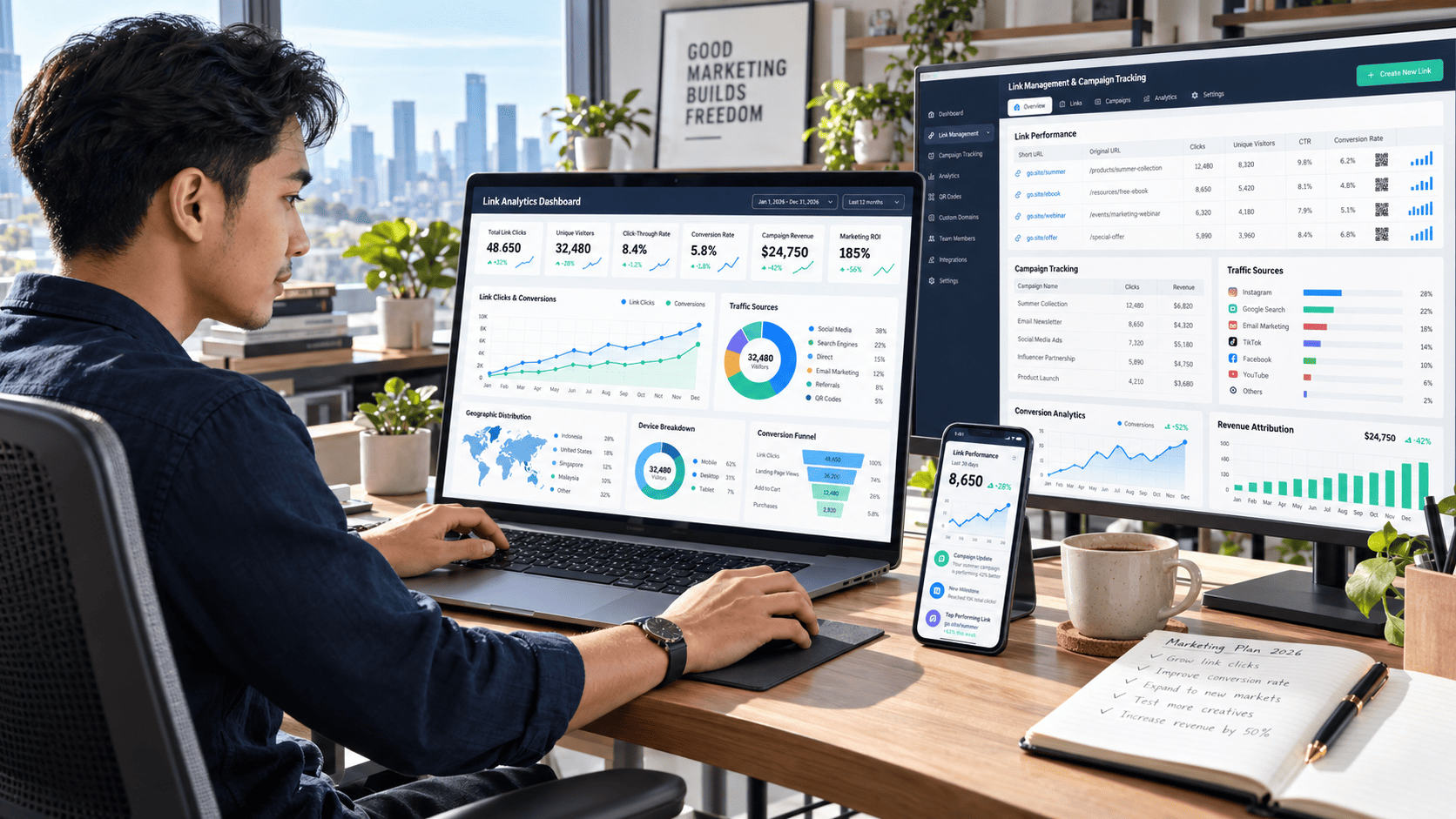
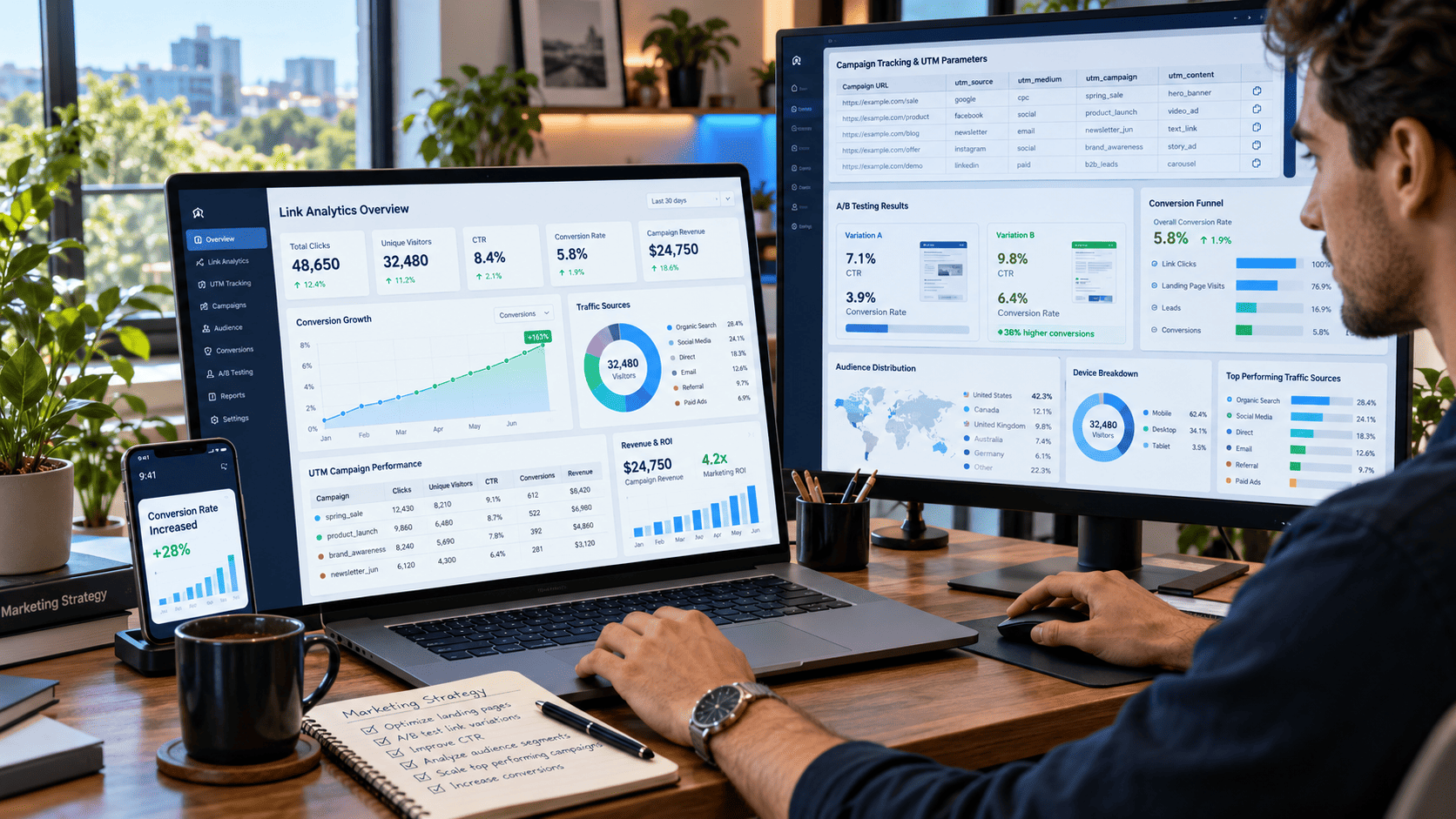
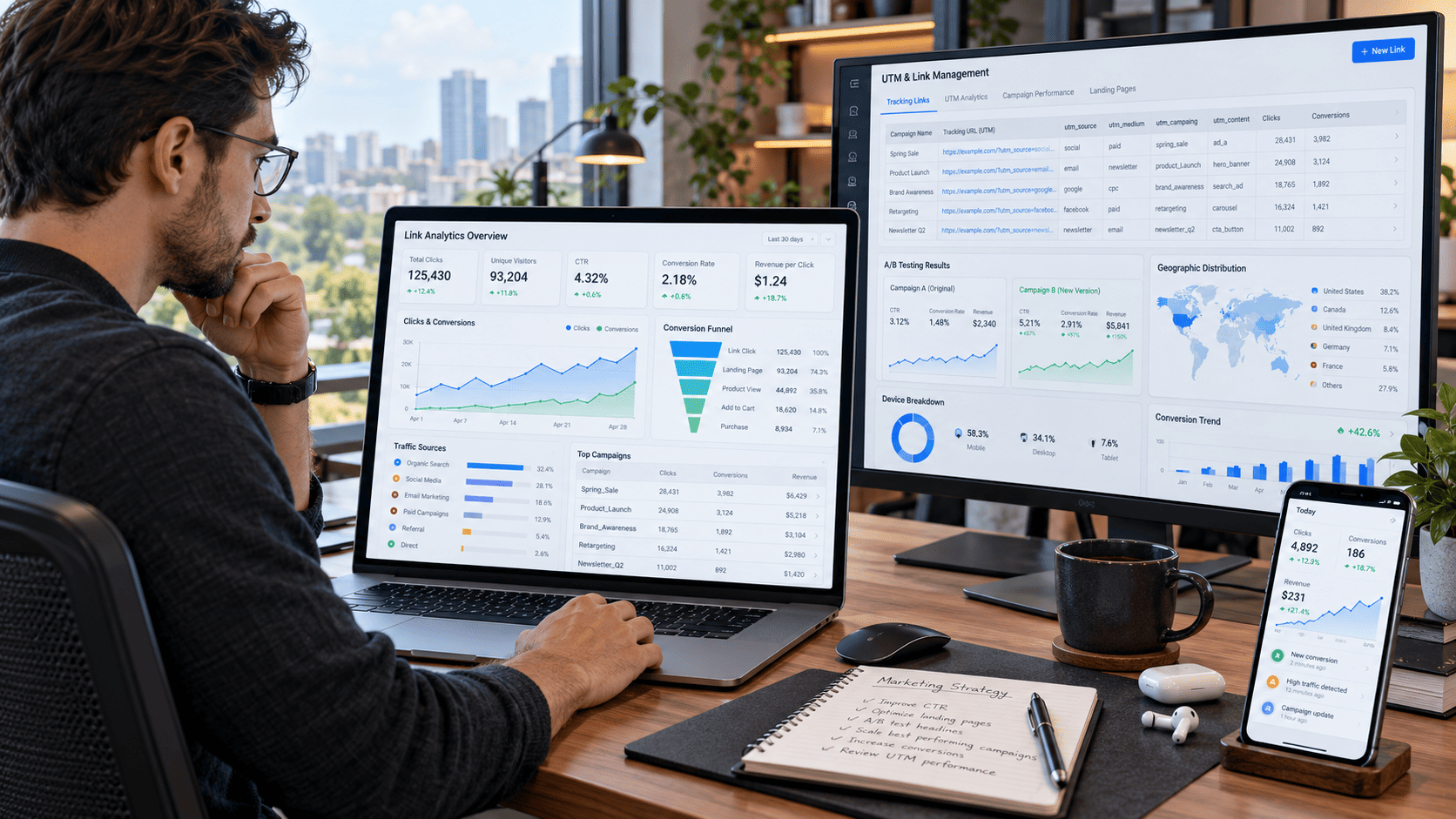
Link analytics helps you understand your audience beyond basic traffic numbers. Instead of only knowing that someone clicked, you can discover deeper insights such as:
- Which platform brings the most visitors
- What country or region your audience comes from
- What device they use
- What time they are most active
- Which campaign generates the best response
- Which content format drives more engagement
This information is extremely valuable because audience behavior is not always what you expect.
Maybe you think most of your traffic comes from Instagram, but your analytics show that Facebook groups bring more engaged visitors. Maybe you assume your audience reads your content at night, but your link data shows most clicks happen during lunch breaks. Maybe you promote one product heavily, but another link quietly gets more clicks and conversions.
When you understand these patterns, you can stop wasting time on strategies that do not work and focus on what actually brings results.
Why Clean Links Build More Trust
Online users are more careful than ever. People often avoid clicking links that look suspicious, too long, or unclear. This is why clean link management can directly affect your click-through rate.
A clean link gives people confidence. It tells them that the destination is intentional, organized, and relevant.
For bloggers and website owners, this can make content look more professional. For social media creators, it can make bio links easier to promote. For online sellers, it can make product links more convincing. For digital marketers, it can make campaigns easier to track and optimize.
Trust may sound simple, but it has a huge impact on clicks. When people trust your link, they are more willing to take the next step.
Using Link Management for Content Growth
Content growth is not only about publishing more articles, videos, or posts. It is also about learning from every piece of content you publish.
Link management helps you identify which content deserves more attention. For example, if one blog post gets many clicks from a specific platform, you can create more content around that topic. If one video description link gets strong traffic, you can optimize similar videos using the same approach.
This creates a smarter content cycle:
- Publish content.
- Share trackable links.
- Analyze click behavior.
- Identify what performs best.
- Improve future content.
- Repeat the process.
Over time, this cycle helps you grow faster because every decision becomes more informed. You are no longer creating content blindly. You are using real audience signals to guide your strategy.
Practical Tips to Improve Link Performance
A good link strategy does not have to be complicated. Small improvements can make a big difference when done consistently.
Use Clear and Relevant Link Names
Your link should give people a reason to click. Avoid vague names that do not explain the destination. A clear link creates expectation and curiosity at the same time.
For example, if you are sharing a free SEO checklist, use a link name that reflects that offer. If you are promoting a product review, make the link relevant to the review topic.
Clarity reduces hesitation. The easier it is to understand the link, the more likely people are to click.
Track Links by Campaign
If you share the same destination across different platforms, create different tracking links for each one. This helps you compare performance.
For example, you can create separate links for:
- Instagram bio
- Facebook post
- Email newsletter
- YouTube description
- Blog sidebar
- Paid ads
Even if all links lead to the same page, each one gives you different data. This makes it easier to know which platform brings the best traffic.
Pay Attention to Timing
Link analytics can show when your audience is most active. If your links get more clicks at certain hours or days, use that information to schedule future posts.
Timing can affect performance more than many people realize. A strong post shared at the wrong time may perform poorly, while a simple post shared at the right moment can get better results.
Test Different Calls-to-Action
Sometimes the problem is not the link itself, but the sentence around it. A call-to-action tells people why they should click.
Instead of only saying “click here,” try using more specific phrases such as:
- Read the full guide
- See the complete checklist
- Get the free template
- Compare the options
- Learn the strategy
A strong call-to-action makes the link feel more valuable.
Common Mistakes in Link Management
Many people use links every day but still make simple mistakes that reduce performance.
One common mistake is using the same link everywhere without tracking the source. This makes it difficult to know which platform is actually working.
Another mistake is ignoring old links. Sometimes old blog posts, social media bios, or email campaigns still send traffic. If those links are broken, outdated, or poorly optimized, you could lose valuable visitors.
Some creators also focus only on total clicks. While clicks are important, they are not the full story. You also need to look at quality. A link with fewer clicks but better conversions may be more valuable than a link with many clicks but low engagement.
Good link analytics helps you see the bigger picture.
How Businesses Can Use Link Analytics Smarter
For businesses, link analytics can support better marketing decisions. It can show which campaigns generate interest, which products attract attention, and which channels deserve more budget.
For example, an online store can track links for product launches. A digital agency can track client campaigns. A blogger can monitor affiliate links. A course creator can see which promotional channel brings the most sign-ups.
The data does not need to be complicated. Even basic analytics can answer important questions:
- Which link gets the most clicks?
- Which source brings the most engaged audience?
- Which offer attracts the best response?
- Which campaign should be improved or stopped?
When businesses answer these questions regularly, they can grow with less guesswork and more direction.
Choosing the Right Link Management Approach
The best link management approach depends on your goals. If you are a beginner, start with simple tracking and clean links. Focus on understanding where your clicks come from and which content performs best.
If you manage multiple campaigns, use organized naming, tags, and campaign tracking. This helps you avoid confusion when analyzing data later.
If you run a brand or business, consider using branded links. Branded links can improve trust, make your URLs easier to remember, and create a more professional appearance across platforms.
The most important thing is consistency. A simple system used consistently is better than a complicated system that you rarely check.
Conclusion: Smart Links Create Smarter Growth
Link management and analytics are not just technical tools. They are growth tools. They help you understand your audience, improve your content, increase clicks, and make better decisions.
When you manage your links properly, every click becomes useful data. You can see what your audience likes, where they come from, when they are active, and which content deserves more focus. This makes your strategy sharper, your campaigns stronger, and your content growth faster.
Start by cleaning your most important links, tracking your main platforms, and reviewing your analytics regularly. Small changes can lead to better clicks, deeper audience insights, and stronger long-term results.
Your next big content breakthrough may not come from creating more posts. It may come from understanding the links you already share.