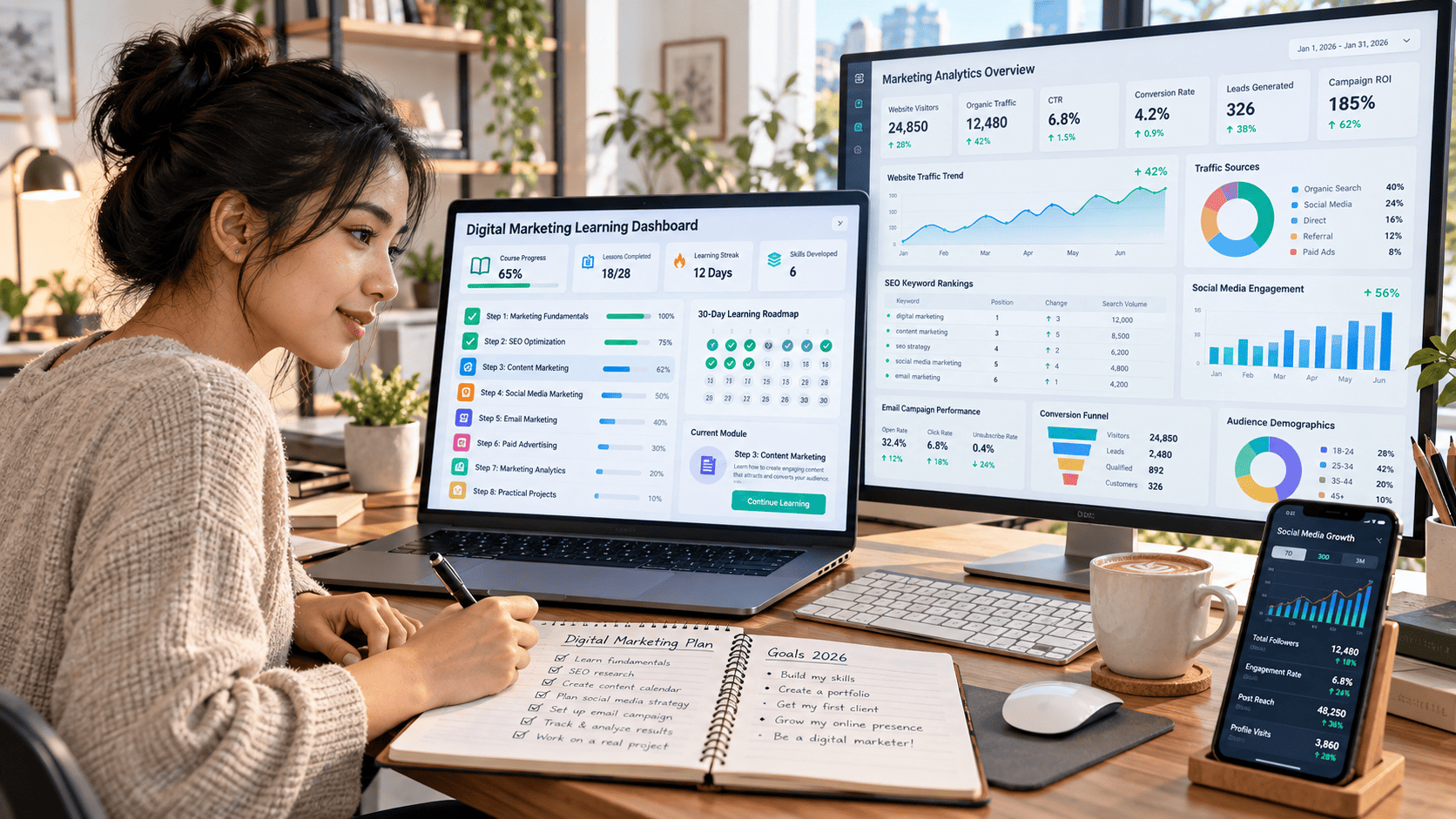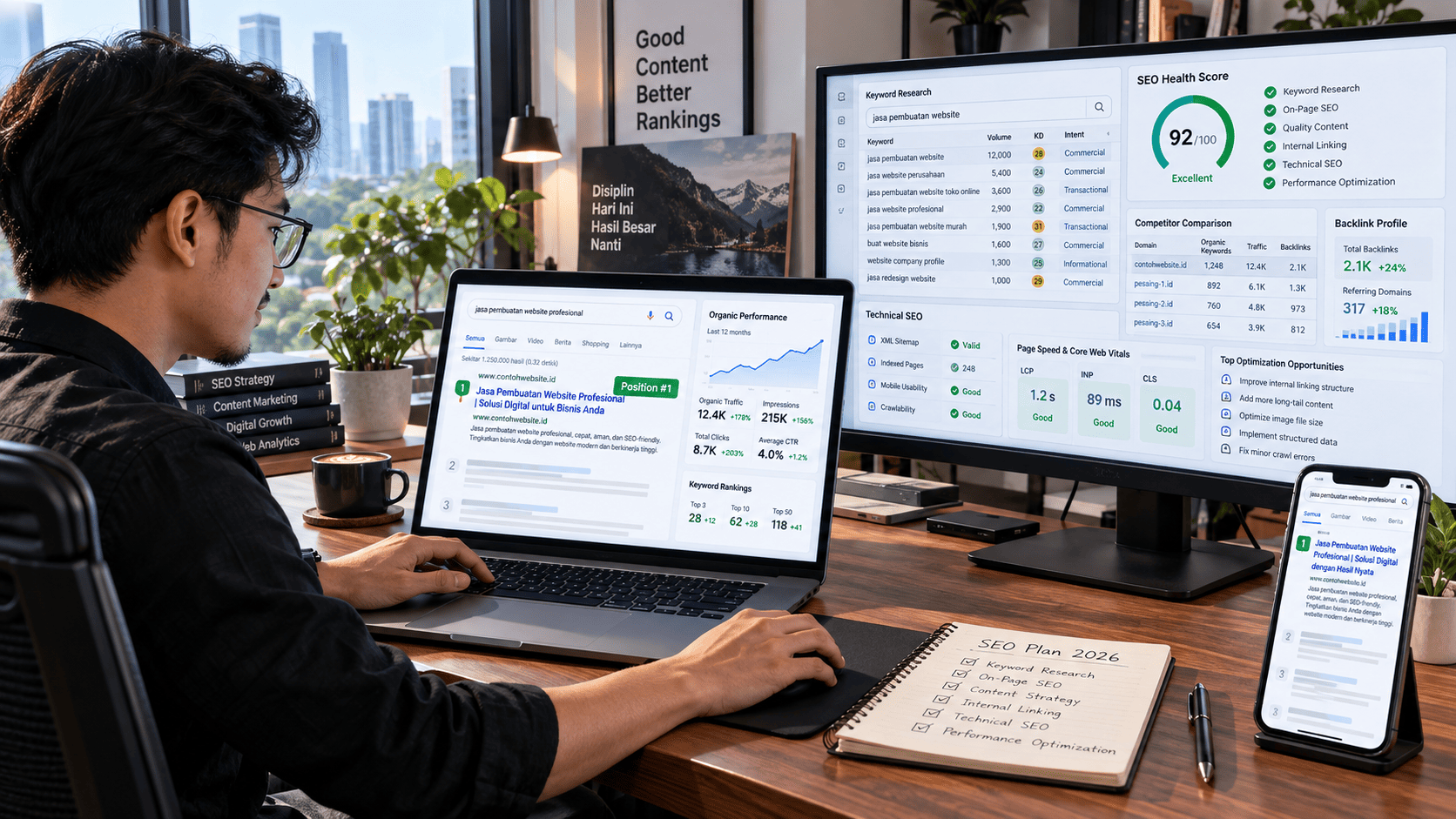

In today’s fast-moving digital world, one small link can make a big difference in how well your content performs. Many content creators, bloggers, affiliate marketers, online business owners, and digital marketers actively share links across social media, profile bios, emails, ads, and blog articles. However, the problem is often the same: links have been shared everywhere, but the click results are unclear, traffic sources are not properly tracked, and it becomes difficult to know which content is actually working.
This is where Link Management & Analytics becomes very important. It is not only about shortening URLs to make them look cleaner. It is also about managing, tracking, analyzing, and making smarter decisions from every click that comes in. With the right strategy, links are no longer just ordinary URLs. They become powerful tools to understand audience behavior, improve content performance, and speed up digital growth.
What Is Link Management & Analytics?
Link Management & Analytics is the process of organizing, monitoring, and analyzing the performance of links used in digital activities. These links can lead to blog articles, online store products, landing pages, promotional pages, registration forms, videos, apps, or affiliate pages.
In simple terms, link management helps you make links cleaner, easier to share, and easier to control. Meanwhile, analytics helps you read the data behind those links, such as the number of clicks, visitor sources, audience location, devices used, and the best time when your audience is most active.
For example, you share one product link on Instagram Story, TikTok bio, WhatsApp groups, and a blog article. Without analytics, you may only know that there are visits or sales. But with analytics, you can see where most clicks come from, which platform is the most effective, and which content deserves more attention.
Why Link Management Matters for Content Creators and Online Businesses
Many people focus on creating attractive content but forget to manage their links properly. In reality, a link is the bridge between content and the final goal. That goal could be a purchase, registration, app download, article visit, video view, or business contact.
Imagine creating a strong promotional post on Instagram, but then placing a long and messy link in the caption. Besides looking unprofessional, this kind of link is also difficult to remember and uncomfortable to look at. On the other hand, a short, clear, and well-structured link looks more professional and can increase audience trust.
Link management also helps when you run several campaigns at once. You can separate links for Instagram, Facebook, TikTok, email, blogs, or paid ads. This way, each channel can be analyzed separately, making the results much easier to understand.
First Secret: Create Clean, Clear, and Trustworthy Links
A clean-looking link has a big impact on whether people decide to click it or not. People usually hesitate to open links that are too long, full of random codes, or look suspicious. That is why one of the first steps in Link Management & Analytics is creating a clean and easy-to-recognize link structure.
For example, a link like:
domain.com/promo-shoes
looks much more convincing than a long link filled with numbers, symbols, and confusing parameters.
Tips for Creating More Attractive Links
Use words that are relevant to the purpose of the link. If the link leads to a discount page, use words like “promo,” “discount,” “shop,” or the product name. If the link leads to an educational article, use words that describe the content clearly.
Here are some simple principles you can apply:
- Use short and readable slugs.
- Avoid strange characters that make links look suspicious.
- Match the link name with the destination page.
- Use a professional-looking domain.
- Avoid changing links too often once they have been promoted.
A clear link helps your audience feel safer. When trust increases, the chance of getting more clicks also becomes higher.
Second Secret: Separate Links for Each Platform
One common mistake is using the same link for every platform. At first, this may seem practical, but it makes the data harder to read. You will not know whether clicks came from Instagram, TikTok, Facebook, WhatsApp, email, or your blog.
The solution is to create different links for each channel. For example, create one link specifically for Instagram Story, one for TikTok bio, one for WhatsApp groups, and another for blog articles. The goal is not to make your work more complicated, but to make the incoming data clearer.
With this method, you can discover important patterns. Maybe TikTok generates the most clicks, but WhatsApp creates higher conversions. Or maybe Instagram gets a lot of clicks, but blog visitors spend more time reading the page. Data like this is very valuable for planning your next strategy.
Third Secret: Read Click Data, Not Just Big Numbers
Many people feel happy when they see a high number of clicks. However, the number of clicks alone is not enough to measure campaign success. A large number of clicks is good, but what matters more is understanding the quality of those clicks.
In analytics, there are several important data points to pay attention to:
- Total number of clicks
- Traffic sources
- Visitor locations
- Devices used
- Peak click times
- Most visited destination pages
- Click-to-conversion ratio
For example, one link may receive 10,000 clicks but generate almost no sales. Meanwhile, another link may only receive 1,000 clicks but produce many purchases. In this situation, the second link may be more valuable because the audience is more targeted.
Analytics helps you understand not only “how many people clicked,” but also “who clicked, where they came from, and what happened after the click.”
Fourth Secret: Use Data to Understand Your Audience Better
One of the biggest benefits of Link Management & Analytics is that it helps you understand your audience more deeply. Click data can reveal their habits, interests, and behavior more clearly.
If most clicks come from mobile users, your destination page must be comfortable to open on smartphones. If the highest clicks happen at night, you can schedule your content around that time. If the biggest traffic comes from TikTok, it may mean that short and visual content works better for your audience.
From this point, you can make smarter decisions. You no longer need to rely only on guessing because you have real data to guide your strategy.
A Simple Example in Practice
A content creator shares a free e-book link on three platforms: Instagram, TikTok, and a blog. After checking the data, TikTok generates the most clicks, but blog visitors are the ones who fill out the email form the most. From this data, the creator can conclude that TikTok is great for attracting initial attention, while the blog is more effective for building trust and collecting leads.
The next strategy can be planned more clearly. TikTok can be used to attract traffic, the blog can be used for deeper education, and email can be used to build long-term relationships.
Fifth Secret: Optimize Links to Increase Conversions
High clicks are exciting, but the final goal is usually not just getting clicks. You want your audience to do something after opening the link, such as buying a product, reading an article until the end, subscribing to a newsletter, downloading an app, or contacting your business.
That is why links must lead to pages that match audience expectations. Do not let a link promise a discount, but the destination page feels confusing. Do not make your audience search too long for the important button either.
To maximize conversions, make sure your destination page has:
- A title that matches the link.
- A mobile-friendly design.
- Fast loading speed.
- A clear call-to-action.
- Short, clear, and convincing information.
- An easy-to-understand flow.
A good link will be wasted if the destination page is poor. On the other hand, a strong landing page will perform much better when supported by clean link management and accurate analytics.
Common Mistakes in Managing Links
Although it looks simple, many people still make mistakes when managing links. These small mistakes can make data messy and slow down content growth.
Some common mistakes include:
- Using one link for all platforms.
- Not checking link performance regularly.
- Using links that are too long and not user-friendly.
- Not naming campaigns clearly.
- Ignoring mobile user data.
- Not fixing broken links.
- Focusing too much on clicks while ignoring conversions.
Mistakes like these can make your digital strategy lose direction. You may keep posting content every day, but you do not really know which content is effective and which only looks busy on the surface.
How to Start Link Management & Analytics Easily
Starting Link Management & Analytics does not have to be complicated. You can begin with simple steps and improve gradually.
1. Define the Purpose of Each Link
Before sharing a link, decide its purpose first. Is it to increase blog traffic, sell a product, collect leads, direct users to a video, or promote an app? A clear purpose makes the analysis process easier.
2. Create Different Links for Each Channel
Separate links based on platform. Create specific links for Instagram, TikTok, Facebook, WhatsApp, email, and blog. This allows you to compare each channel’s performance more accurately.
3. Monitor Data Regularly
Do not just create a link and forget about it. Check click data regularly, for example once a week. See which platform performs best, what time gets the most clicks, and which page gets the strongest response.
4. Evaluate and Improve Your Strategy
Data will not be useful if you do not use it to make decisions. If a platform gets low clicks, try changing your content style. If a destination page gets many clicks but low conversions, improve the design, copywriting, or call-to-action.
5. Organize Your Link Archive
The more campaigns you run, the more important it becomes to organize your link archive. Use clear names so you can easily find old links. For example, separate them by month, product, platform, or campaign type.
Link Management & Analytics Helps Content Grow Faster
Growing content is not only the result of creative ideas. It is also the result of consistent evaluation. Link Management & Analytics helps you see data that is often hidden behind your content.
You can find out whether your content title is attractive enough, whether your audience is interested in your offer, whether certain platforms are better for promotion, and whether your current strategy is creating real impact.
With this data, you no longer need to depend entirely on instinct. Creativity is still important, but data-based decisions make your steps more focused and effective.
Conclusion
Link Management & Analytics is an important strategy for anyone who is serious about building a strong digital presence. By managing links neatly and reading click data intelligently, you can understand your audience better, improve content performance, and make every campaign more effective.
Start with simple steps: clean up your links, separate links by platform, monitor the data regularly, and use analytics insights to improve your strategy. The more consistent you are in reading data, the easier it becomes to find patterns that can increase clicks, strengthen your relationship with your audience, and speed up content growth.
If you have been sharing links without knowing the real results, now is the time to turn every link into a strategic tool. Manage your links smarter, read the data more carefully, and use those insights to make your next content even stronger.